


/Welcome
Observed across a number of countries in Northern and Central
Europe – namely Germany, the Netherlands, the Czech Republic,
Sweden, Lithuania, Latvia, Finland and Estonia – Walpuris Night
occurs on the 30th of April, the eve of the feast day of St. Walpurga,
an 8th century English nun on mission in Germany who spoke out
against witchcraft and founded a convent in Heidenheim, Germany
and was canonized on the 1st of May in the year of 779.
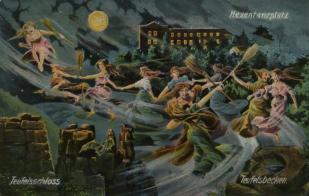
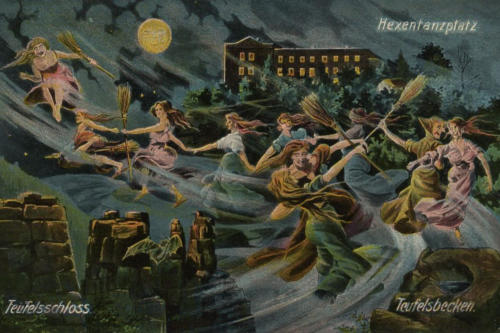
In German folklore, this occasion is believed also to be the night of a
witches’ meeting on the Brochen, the highest peak in the Harz
Mountains, a range of wooded hills in central Germany between the
rivers Weser and Elbe (thanks Wikipedia!). Since the feast day of St.
Walpurga occurs during the same time as even older pagan
celebrations from across much of Europe (a coincidence?), a hybrid
holiday of Catholic ritual and pagan tradition developed over the
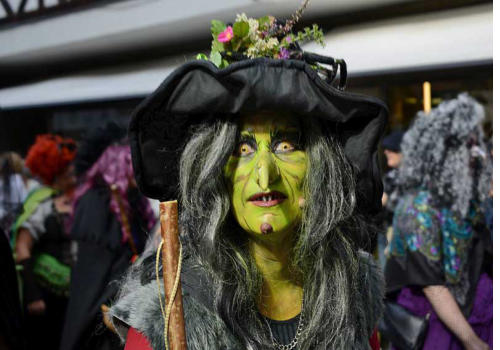
centuries resulting in the largely secular excuse to dress up like a
witch or something else spooky and hit the streets for a bit of pre
May Day partying.
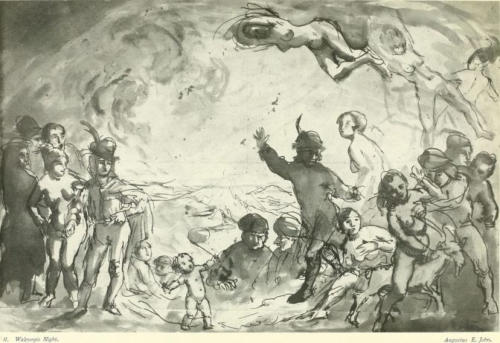
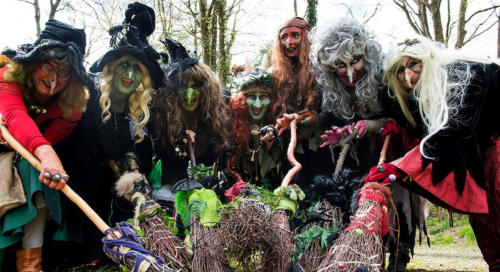

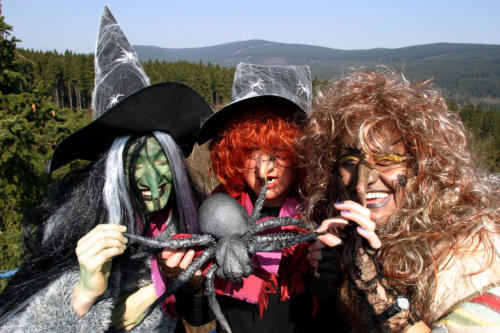
Nowadays, Walpurgis Night is usually seen as a celebration of
springtime. The Skansen Open Air Museum, for example, hosts
Stockholm's largest historical Walpurgis celebration. Many Swedes now
celebrate the end of long, dreary winters by singing Spring songs. These
songs were spread by the students' spring festivities and Walpurgis Day
and Night celebrations are especially common in university towns like
Uppsala - the nightlife in Uppsala is especially active then.